
In December, GWP Hungary participated in the meeting of the National Water Management Council, organised by the Hungarian Ministry of Energy. Represented by Gyula Reich, GWP Hungary ensured that expert perspectives from the Partnership were reflected in high-level discussions on national water management priorities.
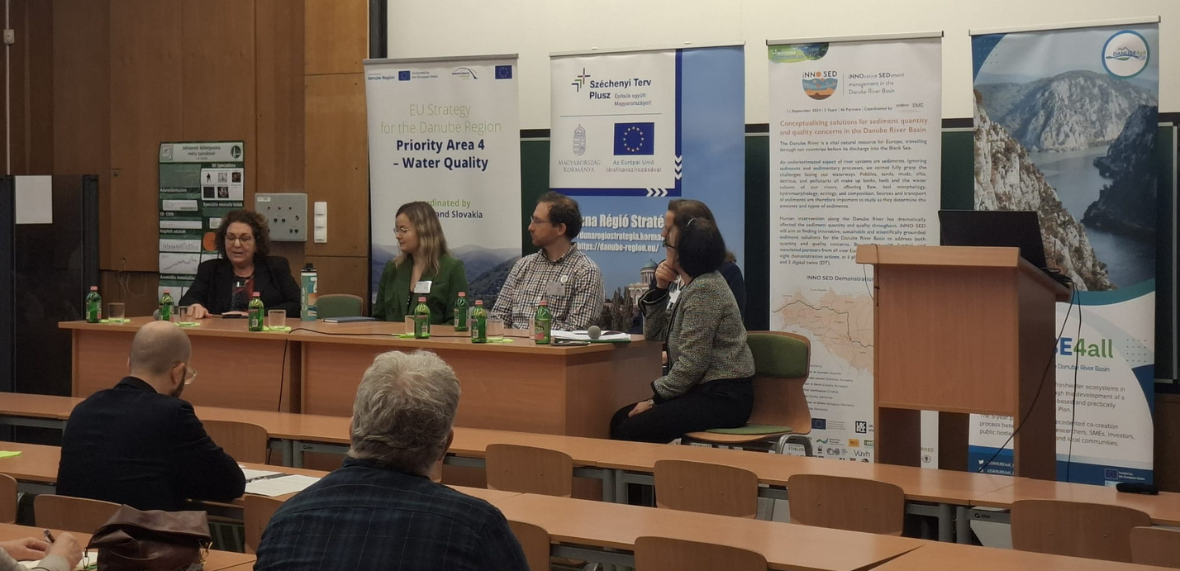
GWP Hungary also took part in the EU Strategy for the Danube Region (EUSDR) National Hearing in Budapest, which highlighted water quality protection and presented the results of the 5th Joint Danube Survey. During a dedicated roundtable on citizen science, Mónika Jetzin shared experiences from GWP Hungary’s youth-focused activities and showcased successful international initiatives supporting young people’s involvement in water monitoring and decision-making.
In January 2026, GWP Hungary joined partners in Strasbourg for the preparatory meeting of the Youth for Water and Climate Programme. The discussions focused on project progress and upcoming mobility activities, including planned events in Budapest, further strengthening cross-border youth cooperation.
These activities underline GWP Hungary’s continued commitment to inclusive water governance, regional dialogue in the Danube Basin, and empowering young people to play an active role in shaping water-related solutions.
Boundary actors influenced
The activities directly engaged national policy-makers, water management authorities, academic experts, youth organisations and international project partners. Through participation in high-level policy forums and regional cooperation platforms, GWP Hungary influenced decision-makers involved in national water governance, as well as young people and practitioners active in water monitoring, citizen science and climate-related initiatives.
Water governance outcomes targeted
The reported activities aim to strengthen inclusive and evidence-based water governance by promoting dialogue between policy-makers, experts and civil society, and by increasing youth participation in water-related decision-making processes. They support improved coordination within the Danube River Basin and contribute to long-term capacity-building for sustainable and climate-resilient water management.