This event marks a decisive step in the implementation of the project financed by the Adaptation Fund through the Adaptation Fund Climate Innovation Accelerator (AFCIA), with the support of the Climate Technology Centre & Network (CTCN) and the Global Water Partnership in West Africa (GWP-WA).
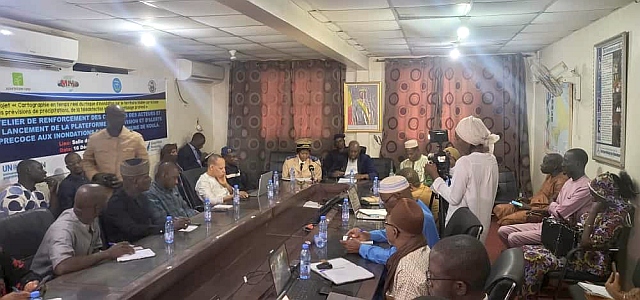
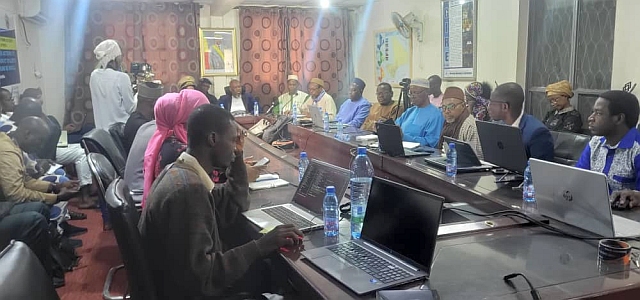
The ceremony brought together representatives of national institutions, technical and financial partners, as well as local actors from Koula.
A platform to anticipate and protect
In his address, Navon Cissé, Chair of the Country Water Partnership (CWP-Mali), emphasized the importance of national ownership:
“This platform is not just a technological tool; it is a guarantee of safety for our communities. It will enable local and national actors to anticipate risks and protect vulnerable populations.”
Innovation serving resilience
The Acting Executive Secretary of GWP-WA highlighted the regional and innovative dimension of the project:
“Mali is today becoming a pioneer in West Africa in the use of artificial intelligence and remote sensing for climate risk management. Our role is to support this innovation so that it serves as a model for other countries in the region.”
Strong local commitment
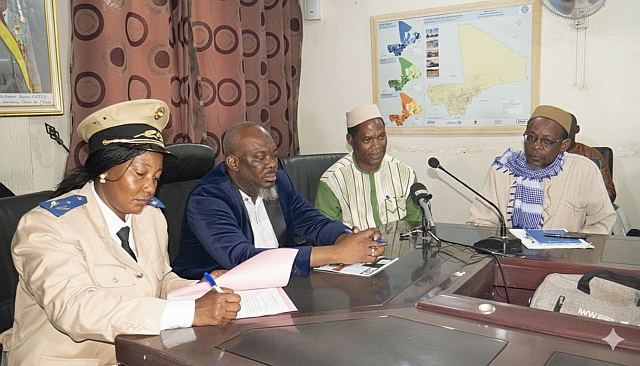
The Sub-Prefect of Koula, present at the ceremony, stressed the direct impact for her commune:
“Our populations live each rainy season with the fear of floods. Thanks to this platform and the equipment handed over, we now have a concrete tool to prevent, alert, and save lives.”
A national vision of resilience
Finally, the representative of the Director General of the Agency for the Environment and Sustainable Development (AEDD) underlined the coherence with national policies:
“This project is part of the national climate resilience strategy. The handover of equipment and the training of actors strengthen our collective capacity to respond to environmental challenges.”
Presentation of results and future perspectives
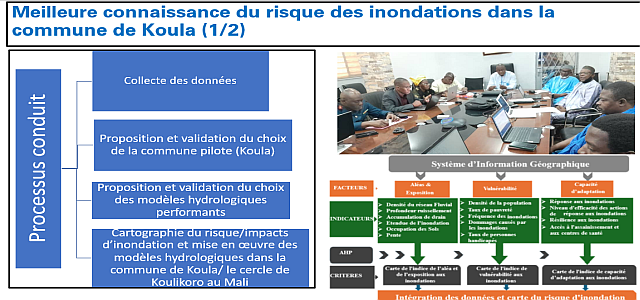
During the ceremony, the main results achieved since the start of the project were presented, including the flood risk mapping and the development of the hydrological model. A demonstration of the platform’s functionalities allowed participants to explore its forecasting and alert capabilities. These exchanges paved the way for discussions on future orientations and the prospects for scaling up after the experimental phase, scheduled for the next rainy season in 2026.
A collective dynamic
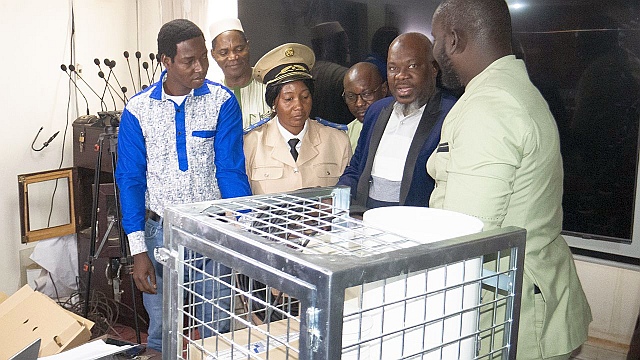
The ceremony concluded with the official handover of monitoring equipment – pressure sensors, GSM cards, and microcontrollers – to be deployed in the commune of Koula. Participants praised the synergy between national institutions, regional partners, and local actors, a guarantee of sustainability and effectiveness.
With this launch, Mali takes a major step forward in modernizing its early warning system and protecting populations against climate risks.